
All things Glass
Musings from a glass artist
The Difference Between Wear and Tear and Disrepair
A tenancy agreement outlines the key responsibilities of both the tenant and the landlord when renting a property and it is important that both parties understand their legal duties and obligations. Knowing when your legal responsibilities begin and end can prevent costly and stressful disputes and housing disrepair claims usually come down to these finer details.
Understanding what constitutes disrepair and what is general wear and tear can make a huge difference in the validity of a disrepair claim on a rented property. So here we have assessed the grey areas of wear and tear and disrepair and provided some guidance in how to identify which is which.
What Is Considered A Disrepair?
An item, fixture, system or a structural condition of a property can be classed as in disrepair if it has deteriorated in condition to the point where it is affecting the health, safety and enjoyment of living in the property for the tenant. That means the condition of the property, or one of its components, must have deteriorated and be in a worse condition than it originally was, and this is now having detrimental impacts on the tenant. Landlords need to understand this definition in order to comply with the requirements of the Landlord and Tenant Act 1985 and the Homes (Fitness for human habitation) Act 2018.
Examples of disrepair that can have impacts on health, safety and enjoyment are heating systems malfunctioning, faulty plumbing, structural damage to the walls or ceilings, damp and mould issues and broken doors and windows. The disrepair could have been caused by a number of different issues, but it is classed as a disrepair if the deterioration has gone beyond normal use and it cannot now be used normally or the property lived in normally, and is therefore having significant impacts.
What Is Fair Wear And Tear?
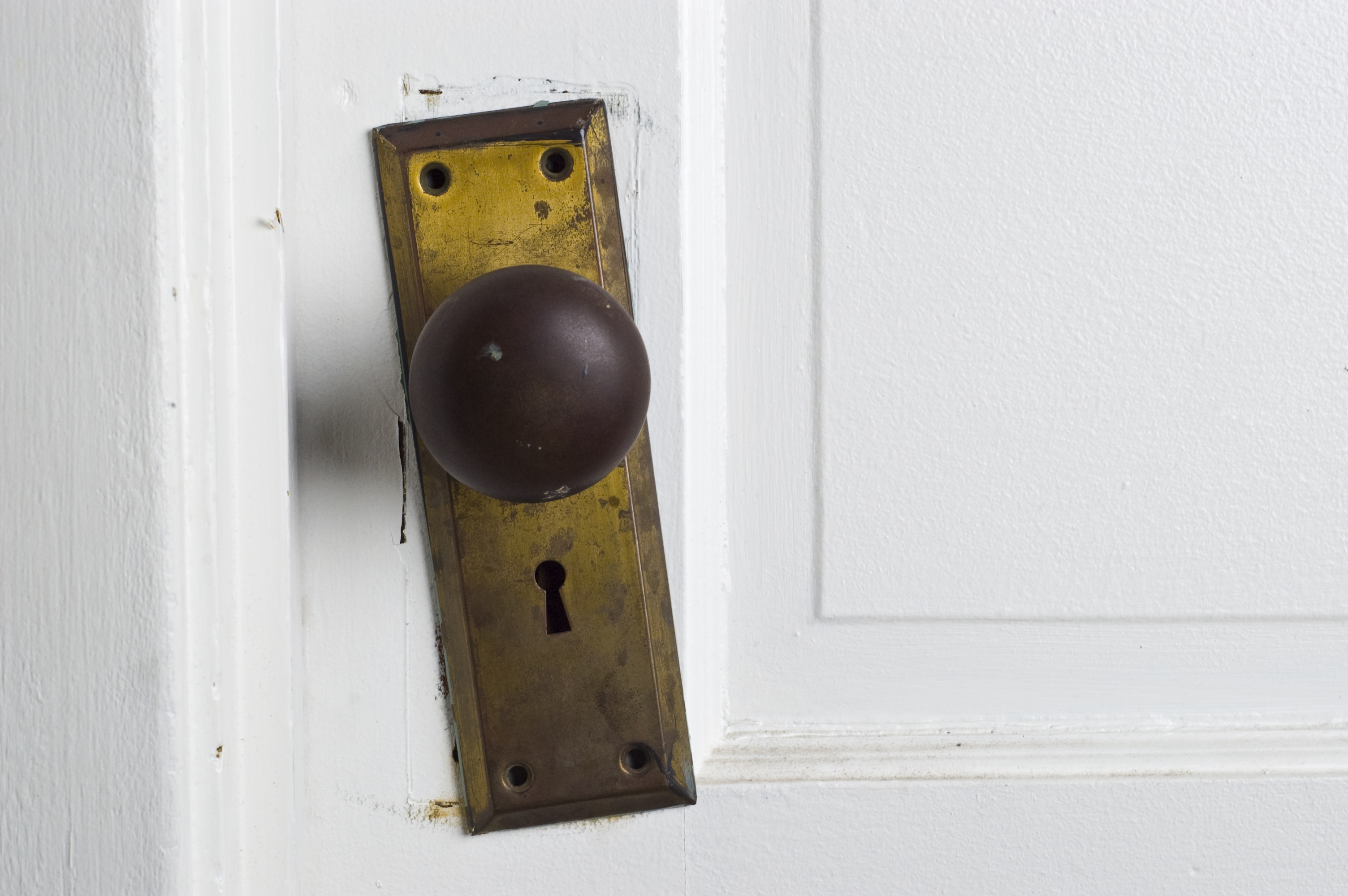
Fair wear and tear is considered to be the natural and gradual deterioration of an item or the condition of a property. Wear and tear means that something can still be used, but it is not in the same condition as before. Examples of this could be faded curtains or paint, worn carpets, scuff marks on furniture or walls, indentations on sofas and chairs or a loose door handle. Fair wear and tear is expected and the landlord doesn’t have a legal responsibility to replace items showing wear and tear, unless they are beginning to have an impact on the health, safety and wellbeing of the tenant. At this stage, fair wear and tear could be considered to have become a disrepair issue, but proving the distinction is very important.
What Is The Difference Between Disrepair And Wear And Tear?
So the key differences between disrepair and fair wear and tear, are that disrepair is usually a serious issue, while wear and tear is usually a minor issue, but also that disrepair is often caused by a neglect in repairs and maintenance, or through misuse or accidents, while wear and tear occurs over time through normal everyday use, and no one is at fault.
This is where disputes can occur over what is disrepair and what is wear and tear. It needs to be established what part of a deterioration would have occurred naturally anyway and is therefore ‘reasonable’ wear and tear, and what deterioration has been accelerated by neglect or misuse. There can also be disputes over who is legally responsible for a disrepair issue. A tenant may be able to prove that a disrepair issue has occurred through the landlord’s neglect, i.e. they haven’t maintained the property or responded to an earlier report of a minor issue and it has got worse. Equally, the landlord may be able to prove that a disrepair issue occurred through the tenant’s neglect or misuse of the property.
How To Determine Responsibility In A Housing Disrepair Dispute
It is crucial that a party is able to distinguish between fair wear and tear and a disrepair when making a housing disrepair claim. Any item of property condition that is showing general wear and tear through ordinary, gradual deterioration would not normally warrant an actionable repair on the part of the landlord. However, where the property or one of its fixtures has fallen below an expected standard and is having impacts on the health, safety and enjoyment of living in the property for the tenant, a repair would normally be necessary. It is important to recognise these issues early and address maintenance issues quickly in order to avoid legal liabilities further down the line.
At Redfearn Experts we are able to survey a property and prepare a report to help you establish what falls into each of these categories when it comes to a housing disrepair dispute, whether you are the landlord or the tenant, and we can also provide guidance on defining where legal liabilities lie, so contact our team at Redfearn Experts today.